

Tuesday, August 30, 2011
O Lamentable Day
Labels:
fans - inspiration

Tuesday, August 16, 2011
BiblioFile: Luis Barnavelt I Widmo Z Muzeum Magii

Monday, August 15, 2011
What's What: Seven Runic Alphabets
Labels:
face in the frost,
things - languages

Wednesday, August 10, 2011
48th Annual Historic Home Tour
Labels:
places - us - michigan

Friday, August 5, 2011
Alert: Johnny Dixon & eReads

For someone who wrote a celebration of olfaction by describing a book as smelling like Old Spice talcum powder (and adding that “books that smelled that way were usually fun to read” [The House with a Clock in its Walls; 19]), it might be unfathomable for a book to exist without smells, without textures, without the chance of paper cuts, and without...well...paper.
Sunday, July 31, 2011

Saturday, July 30, 2011
An Heir To Our Affections
Labels:
books - writing,
fandom,
names - strickland brad

"This isn’t exactly an unusual occurrence, and it has also taken place in children’s publishing. The series that starts with the quirky and Gothic The House With A Clock In Its Walls, by John Bellairs, was completed by author Brad Strickland after Bellairs’ death. Strickland finished two manuscripts Bellairs had started before his death: The Ghost in the Mirror and The Vengeance of the Witch-Finder. He also wrote two more books based on Bellairs’ notes, and then wrote four more novels of his own using Bellairs’ characters.
...when I hear that an author is finishing a book or series created by another author, I get very suspicious. Is this an act of generosity to readers who want more...Bellairs? Is it a plan to take advantage of a dead author’s good name? We can’t know how...Bellairs would react to Strickland’s commandeering of his series–but we do know that these authors’ estates felt it wise to approve these new books.”
Sunday, July 10, 2011
The Downtown Tourist visits Marshall
Labels:
places - us - michigan
Friday, July 8, 2011

Tuesday, July 5, 2011
Thou Seest The Twilight

Sunday, July 3, 2011

Thursday, June 30, 2011
This Isn’t Your Usual Alpheus Winterborn
Labels:
fandom,
treasure of alpheus winterborn

Tuesday, June 28, 2011

Saturday, June 25, 2011
BiblioFile: La lettera la strega e l'anello

Egielski’s illustrations for The Letter, the Witch, and the Ring (1976) were only his second published bookwork and are a marked departure from the widely-known pen-and-ink work of Gorey that has come to define most of Bellairs’ novels. Such was the difference that one reviewer took to call the gray-washed images “dark Americana" – something that immediately brought to our mind Grant Wood’s classic, American Gothic. Maybe it’s the way the perfectly round frames of Rose Rita’s glasses reminded us of the circular trees in his Wood’s paintings? Anyway, Regionalism as an art form may not have been on the forefront in the 1970s when Letter was published, but the illustrations work to describe a story that originates in the American heartland and takes us into a nightmarish world of witches and magic.
Friday, June 24, 2011
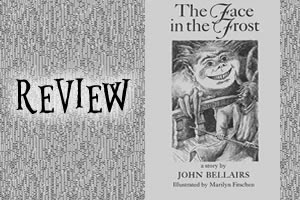
Review: Face "Quirky, Hodge-podgey Style"
Labels:
face in the frost review,
fans - reviews
Subscribe to:
Posts (Atom)